


Welcome.
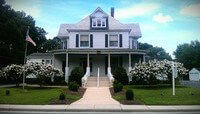
Since 1943, the Williams family has been involved in the funeral business and assisting people on the Eastern Shore of Virginia at their time of need. Our family considers our profession to be a calling, not just a job. We consider it a privilege for families to request our services and take this sacred trust seriously when we are called.
This site has been designed to give you information about our family, staff, facilities, service and merchandise. There is also a page to request more information from us from the comfort of your own home.
We also have recent online obituaries for you to view. You may also send a note of condolence to a family when other obligations and commitments prevent you from attending a visitation or funeral service.
The Williams family hopes that this website is a convenient tool to better serve our community. We have been a part of this community for many years and appreciate the families we have served in the past and the trust of our many new area residents.

- The Williams FamilyWILLIAMS FUNERAL HOMES
PARKSLEY, VA

 CONTACT US
ONANCOCK, VA
Our Mission
We believe that our reputation for integrity and honorable dealings is our most important asset. We believe in our funeral home's team. We are committed to working together and putting the families we serve first. We believe in high standards and believe that strong integrity is the foundation of great service. We, as individuals, hold ourselves to that high standard in all of our efforts in serving the Eastern Shore of Virginia Community.
What Our Families Say TESTIMONIALS
FEATURED SERVICES

Directly order flowers, view and sign the condolences book, share memories and more to celebrate lives of those dearly missed.


Take a few moments to express your wishes now and help to ease the burden on your loved ones.

A collection of answers to questions that people often have when arranging for a funeral.
